 The Handelot Times
Kazi Talha Ashraf: a cold uncertain future
Panic but everything is alright. Be scared but nothing bad is happening. Feel betrayed but don’t react.
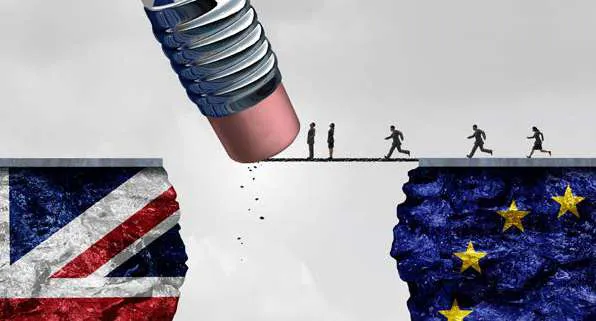
Panic but everything is alright. Be scared but nothing bad is happening. Feel betrayed but don’t react. These are some of the signals the media have been articulating concerning the impacts of the Russia-Ukraine war, an impact that can be felt all over Europe. But this tactic is familiar, using media outlets to sugarcoat the negative and become blinded by ongoing events in reality. This article will look into the current state of Europe and understand its future.
It should be of no surprise about the UK’s socio-economic disaster since BREXIT, a deal which has been exposing the delayed ingratification with gas prices rising by 210% (energy cap increased by 54% per household), which saw a mass population left being frozen in the cold winter periods. But what does any of this have anything to do with the ongoing war or the “successful” political movement? Well… The UK’s source of energy was mainly built up of fossil fuels coming from the north sea, Norway, Russia, and the Middle East. Due to the war, the UK has cut ties with Russia as a stand to be against the war, which has meant that one of their primary sources has been minimized.
As for the imports of Norway, due to BREXIT complications, it has resulted in tariffs being put into place, meaning import expenditure increases adding weight to the already crumbling economy. As per the guardian, the UK was not reliant on Russian gas before the war, but due to shortages, it has resulted in the soaring increase of wholesale prices, meaning that blackouts occurred during the winters. So what about alternatives? This is where things get more complicated because the UK’s mix is dominated by gas, which means there needs to be a large abundance that can replace it efficiently.
In this case, that replacement should have been operational for a long time due to pledges made decades ago by their governments. I am referring to their renewable source, which has had an increased dependency on wind energy increasing to nearly 30% of their energy mix. Still, this is not enough to meet the requirements of satisfying the entire population.
More in Markets
 Markets
Salt instead of scarcity: how CATL’s sodium battery launch redraws the map of the energy transition
 Markets
Quick hits: TikTok saved, sort of, and SpaceX swallows xAI in the largest merger in history
 Markets
Big Tech’s power shift: who owns AI, who owns the future
 Markets
The $3 trillion IPO summer: SpaceX, OpenAI and Anthropic go public