 The Handelot Times
Key trends that will shape 2025
That Will Shape 2025 Time is moving fast, and we are already well into 2025—a year filled with opportunities, transformations, and significant challenges.
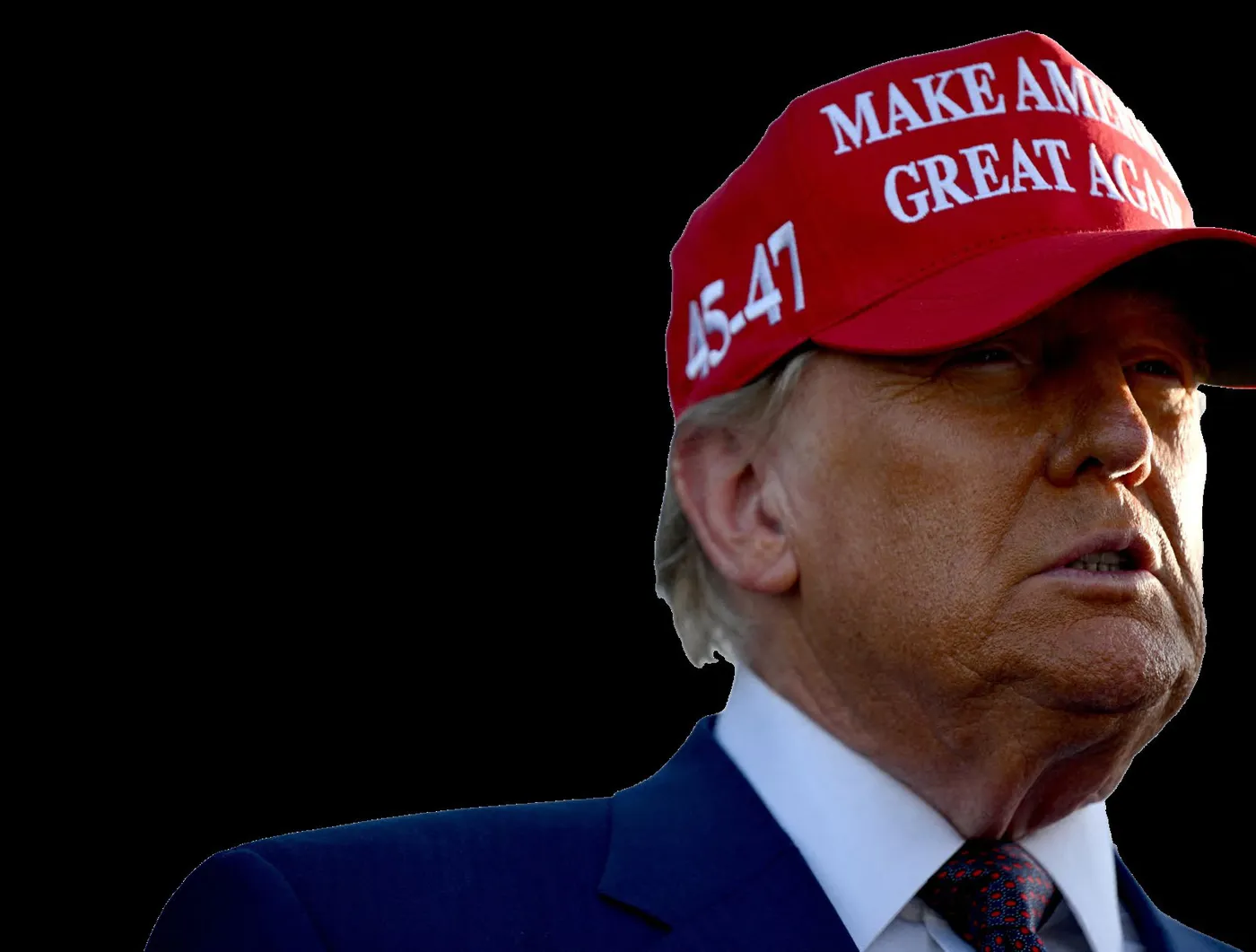
Experts and analysts have identified 15 major trends expected to influence global events and industries in 2025.
1. Trump 2.0: economic shifts and uncertainty
A return to Trump-era policies signals a shift toward deregulation, supply-side strategies, and protectionist trade measures. While these policies aim to boost economic growth, they also present significant risks. Tax cuts may provide temporary relief but are unlikely to drive substantial GDP expansion given the current economic pressures. Restrictions on immigration and increased tariffs could hinder consumer spending, investment, and exports, potentially destabilizing the economy. Rising inflation remains a concern, adding strain to household budgets. The economic benefits of these policies are expected to be unevenly distributed, favoring large corporations and energy firms while increasing costs for consumers and farmers.
2. Trade tensions set to escalate
Proposed tariff policies are likely to trigger renewed trade disputes. Import tariffs ranging from 10% to 20% could disrupt supply chains and raise costs for businesses and consumers. China is expected to face 60% tariffs on imports, with an additional 10% increase on existing duties, further straining relations. Similar measures targeting Mexico and Canada could impact key trade agreements. Additionally, restrictions on technology exports affecting over 140 Chinese firms are likely to escalate tensions, particularly in the semiconductor sector. Retaliatory actions from trade partners could have significant consequences, particularly for U. S. agriculture. The long-term impact of such policies remains uncertain, with risks of supply chain instability and diplomatic challenges.
3. Global economic growth slows
Global economic expansion is projected to remain moderate, with growth expected at approximately 3% in 2025. Ongoing geopolitical uncertainties, inflationary pressures, and trade disputes continue to impact financial markets. The automotive sector faces a slowdown, though potential interest rate cuts may offer some relief to consumers and businesses.
More in Markets
 Markets
Salt instead of scarcity: how CATL’s sodium battery launch redraws the map of the energy transition
 Markets
Quick hits: TikTok saved, sort of, and SpaceX swallows xAI in the largest merger in history
 Markets
Big Tech’s power shift: who owns AI, who owns the future
 Markets
The $3 trillion IPO summer: SpaceX, OpenAI and Anthropic go public