 The Handelot Times
Mind uploading and brain hacking
Mind Uploading, now a popular term for many, is the uploading - still theoretical - of the human mind into a computer or hardware, which would allow us to transcend the limits of our physical shells and therefore - at least it seems - to live forever.

Mind Uploading, now a popular term for many, is the uploading - still theoretical - of the human mind into a computer or hardware, which would allow us to transcend the limits of our physical shells and therefore - at least it seems - to live forever. To achieve this – and recreate our mind as we experience it – science is currently trying to map the human brain in an attempt to understand the connections that produce consciousness.
In fact, to be able to upload the real us onto hardware - in a series of 0s and 1s - the problem of consciousness represents a real challenge that we still have to deal with. So we will still have to wait – but time is relative at this point – before we can transfer our consciousness, download it into a local avatar and be able to explore new planets at the speed of light. However, one wonders - and the doubt is legitimate - whether this transhumanist vision of the future is real - and wise - or just an unrealizable dream. To understand this, let’s take a small step back.
Mind uploading: conscience is just the tip f the iceberg Although in fact many claim that consciousness is computational - computational theory of mind (CTM) - it remains in truth and still one of the greatest mysteries unsolved by man - together with that of time - that the greatest minds of the world are unable to solve. Then there is the problem of free will. Indeed, the ability to choose and act freely seems to be a familiar feature of our daily lives: we feel that what we do is really up to us. That is, we sincerely believe that we can exercise significant control over what we decide to do.
Yet neuroscience experiments seem to have shown that the brain does not take the mind into consideration before acting. Through functional magnetic resonance it has been discovered that an electrical potential arises in the brain before a movement, thus preparing an imminent decision before the consciousness can interact.
More in Markets
 Markets
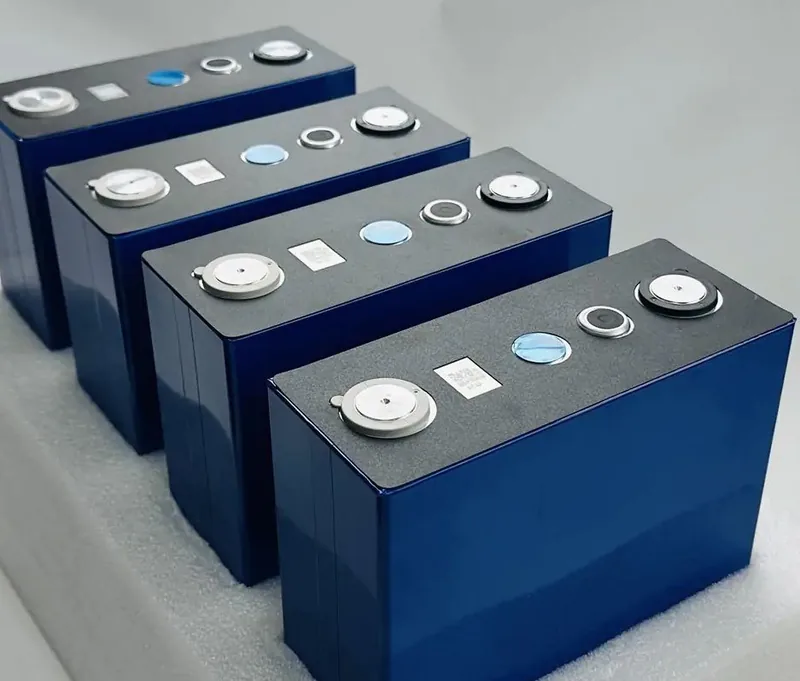
Salt instead of scarcity: how CATL’s sodium battery launch redraws the map of the energy transition
 Markets
Quick hits: TikTok saved, sort of, and SpaceX swallows xAI in the largest merger in history
 Markets
Big Tech’s power shift: who owns AI, who owns the future
 Markets
The $3 trillion IPO summer: SpaceX, OpenAI and Anthropic go public