 The Handelot Times
Mobile tech missteps
A look back at a few proclamations of the future that became footnotes of the past.
A look back at a few proclamations of the future that became footnotes of the past.
The road to success is littered with potholes. Tech manufacturers and developers are overzealous types - once an idea for a device is hashed out, it is their mission to make you as much a believer in its inevitability as they are. And though they mean well, they have inadvertently contributed to some of the most laughable and eye-rolling missteps of all time. Chuckle along with us as we take a look back at some of the most infamous mobile tech missteps of all time.
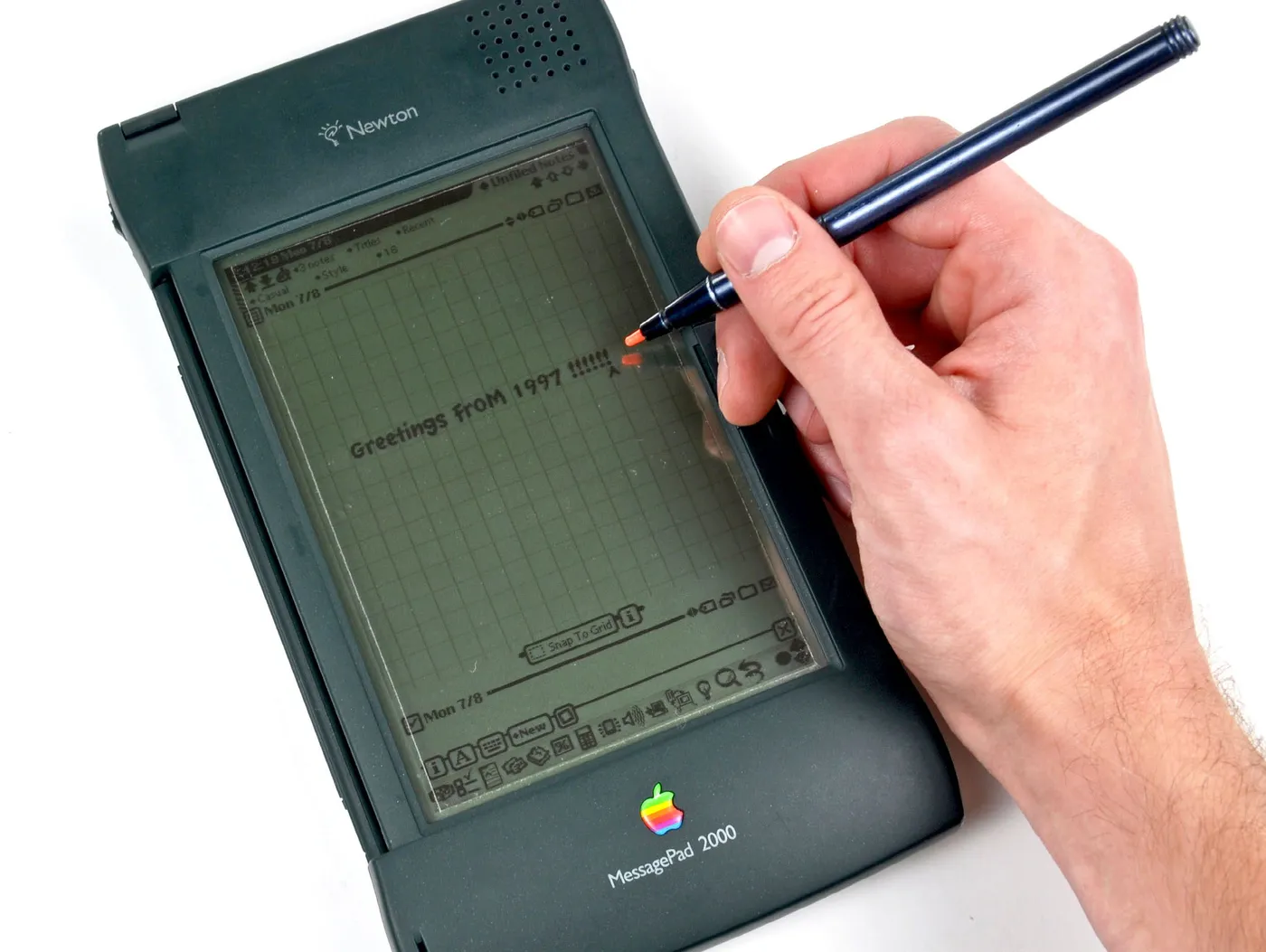
The apple Newton
Obviously, this one takes the cake. Turning 25 years old this August, the Newton was the first publicly-released stab at mobile computing. Engineering pocket-sized computers, as was Apple’s then-CEO John Sculley’s chief aim, was no small feat in the days when mobile telephones were typically mounted in cars. A key feature touted for the Newton was its handwriting-to-text translation, which crashed and burned miserably and launched countless pop-cultural mentions and references. The Newton was a withering failure, but it helped the tech industry chart a course for the mobile world we have today.
Android 3.0 honeycomb
When Apple finally did get mobile computing right through the (finally pocketsized!) iPhone and later the iPad tablet, it was the upstart Android company’s turn to eat dirt. Android initially did not have its own operating system for tablets, so in the wake of the iPad’s success they released Honeycomb, a non-open source OS that did not support apps for phones. This meant that developers had to release two seperate versions of their apps. The whole endeavor ran counter to the Android ethos of customizability, and was finally corrected with the release of Android 4.0
More in Markets
 Markets
Salt instead of scarcity: how CATL’s sodium battery launch redraws the map of the energy transition
 Markets
Quick hits: TikTok saved, sort of, and SpaceX swallows xAI in the largest merger in history
 Markets
Big Tech’s power shift: who owns AI, who owns the future
 Markets
The $3 trillion IPO summer: SpaceX, OpenAI and Anthropic go public