 The Handelot Times
Nokia on the comeback trail
It’s late February 2018. The buzz is palpable around the imminent unveiling of a brand new Nokia device.
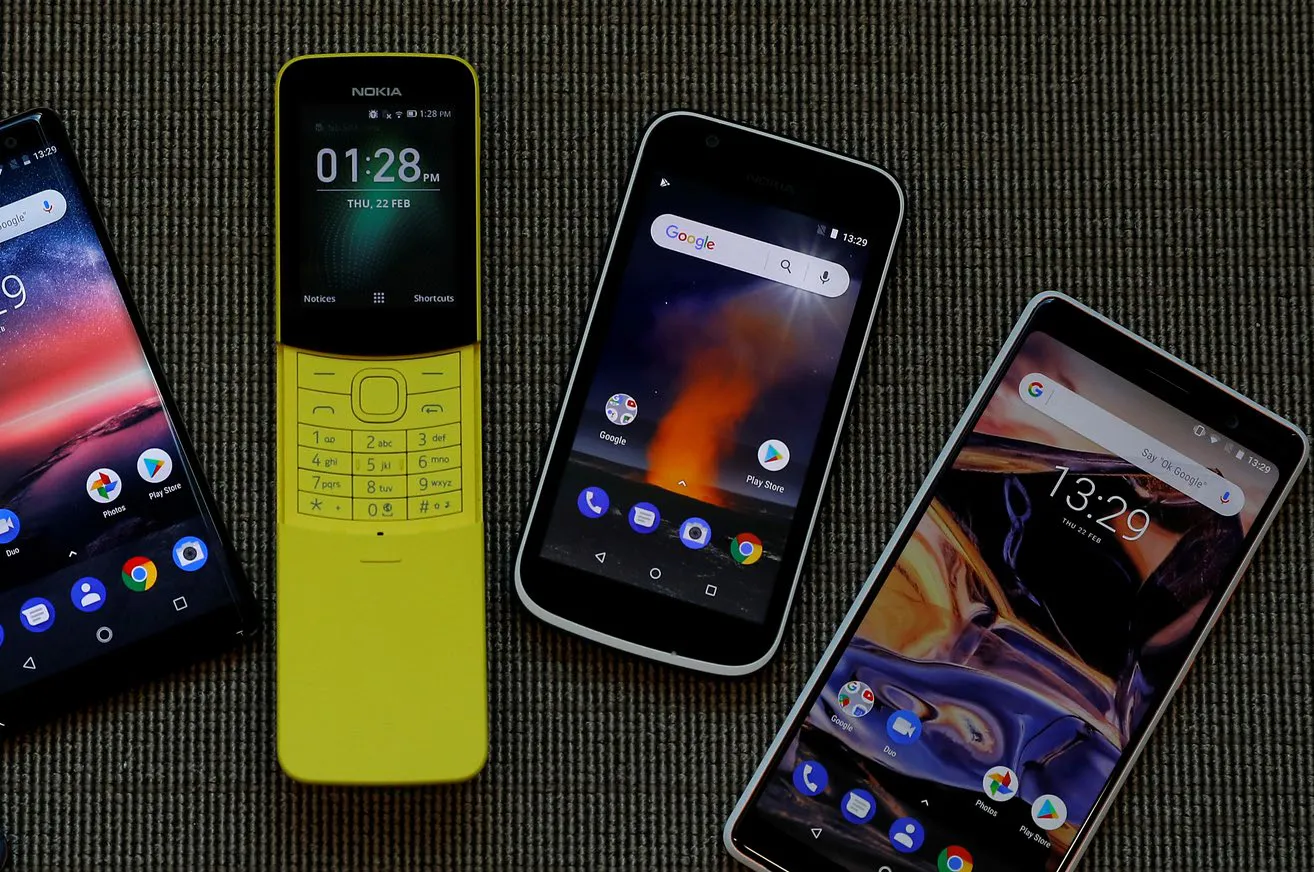
It’s late February 2018. The buzz is palpable around the imminent unveiling of a brand new Nokia device. Reasons for this stem from a series of low-key releases of Nokia-branded (and single number-monikered) smartphones in the preceding year. Talk is swirling about the possibility of the next device – perhaps called the Nokia 9 or the Nokia 10, both are in the pipeline – sporting a five-camera setup. A release announcement is yet to be delivered, but the word on the street is that one could come at the impending 2018 Mobile World Congress. It might seem an optimistic guess, but the MWC website reveals that HMD Global – the company responsible for reviving the Nokia moniker – is currently slated to have space reserved at the event, making an announcement seem all the more probable.
Nokia may have fallen far behind the giants of the smartphone industry – it is seldom, if ever, mentioned in the same breath as Apple, Samsung, Huawei or Xiaomi. The pride of Finland came from humble beginnings: it started out in the 19th century as a couple of rubber mills that would churn out rain boots. Its entry into consumer electronics would come when it merged with Finnish Cable Works, and from there it offered the world a plethora of innovations: the first car-phone, the first phone service with international roaming, and most important of all, the world’s first handheld mobile device. Even further, Nokia was also the co-founder of the WAP standard, which let pre-3G mobile phones access a rudimentary version of the internet.
Nokia’s innovations would prove to be their downfall as other manufacturers learned how to do what they do, but better. When Apple learned how to create phones that access the actual internet, and other competitors like Samsung rose to challenge them, Nokia’s existence was on the clock. The company was too slow to react to the new world of smartphones; it could have rallied around the emerging Android technology for smart devices but did not, and hemorrhaged money and personnel as a result. Microsoft would buy off the handset department in 2013 as Nokia refocused on network solutions, particularly in the area of developing “smart city” technologies. Although Microsoft would still tout the Nokia brand name for the Lumia line that the Finnish brand had originally conceived of, the original mobile phone innovator was dead.
It seemed a sad end for a company who produced phones such as the Nokia 8110 and the 3310. For many of us coming of age in the late 1990s or early 2000s, they were our first mobile phones of any kind. They were simple devices, but they provided more than what we typically asked for of a phone, creating the new norm of communication via SMS. They were packaged with the game Snake, the ultimate turn-of-the-millennium timewaster. They provided a kind of monocultural experience through technology in an era before the iPhones and Galaxies came to dominate.
More in Markets
 Markets
Salt instead of scarcity: how CATL’s sodium battery launch redraws the map of the energy transition
 Markets
Quick hits: TikTok saved, sort of, and SpaceX swallows xAI in the largest merger in history
 Markets
Big Tech’s power shift: who owns AI, who owns the future
 Markets
The $3 trillion IPO summer: SpaceX, OpenAI and Anthropic go public