 The Handelot Times
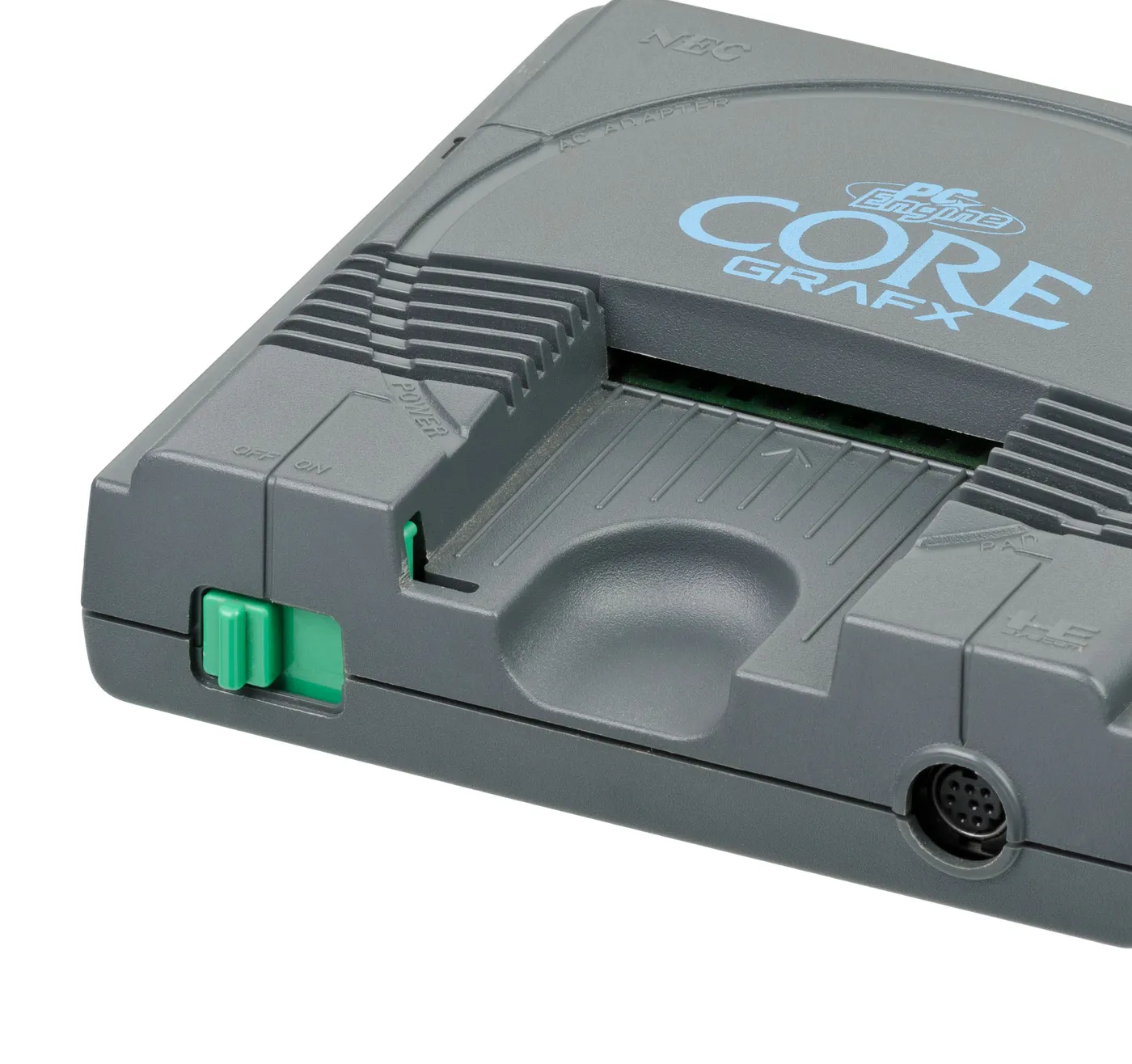
PC Engine core Grafx mini: one of the best mini consoles ever
Those who are born in the ’80s grew up reading video game magazines such as Game Power and Consolemania.
Those who are born in the ’80s grew up reading video game magazines such as Game Power and Consolemania. Back then, magazines were not only a way to choose which titles to buy, but also to learn about what was going on across the galaxy of consoles and home computers. In the pre-internet era, we lived in a smaller world, where the availability of products was not dictated by Amazon, but by the choices that made up the inventory of the neighborhood shop. In the early 1990s we lived in a world made of Master System, Megadrive and Super Nintendo, with a few splashes of Atari, Commodore and Amiga at some friend’s house. A splendid world, it is clear, but that did not tell the complete story of one of the most dense and significant moments in the history of video games.
The magazines talked about everything: dream machines like the Neo Geo, vanguards of virtual reality, prototypes for CD-ROM versions and consoles from distant With a dizzying fast forward of 38 years we reach 2020. Of all the retro consoles we have gained over the years, the PC Engine is the lands, such as the PC Engine. We saw it on the pages of Game Power, with its beautiful shooters and that white controller that seemed to come out of a parallel dimension. We dreamed of trying it, if only to see it in passing from a neighbor or in a shop, but it didn’t seem to exist.
The PC Engine was an elusive unicorn with many names: it had an American counterpart known as TurboGrafx-16, but also a second Japanese revision, no longer white, with a providential AV output, called CoreGrafx. And then came the add-ons with the CD, which created wonderful industrial design Voltrons and hybrids like the PC Engine Duo. Some models had a limited European distribution, especially in France and England, but in the vast majority of cases the NEC console was reserved for those who had access to the import market, which for obvious reasons was barred to a child like me.
one that has given us the most joys, because it has given us access to a catalog of games never seen and heard. It’s like a capsule of Japan from the early nineties, full of incredible shooters, crazy platformers and amazing RPGs. They are difficult games, sometimes angular in their Japanese sensitivity without filters, but we can say without fear that they have enriched us as a player. The PC Engine was also the back console that gave us more headaches. The games are expensive and difficult to find, the machine produces an RF signal that punches up with modern TVs, unless you retrieve an add-on that transforms the output into AV. And at that point you still need an upscaler! Not to mention the full size of the CDs, which arrived in the second phase of the console’s life.
More in Markets
 Markets
Salt instead of scarcity: how CATL’s sodium battery launch redraws the map of the energy transition
 Markets
Quick hits: TikTok saved, sort of, and SpaceX swallows xAI in the largest merger in history
 Markets
Big Tech’s power shift: who owns AI, who owns the future
 Markets
The $3 trillion IPO summer: SpaceX, OpenAI and Anthropic go public