 The Handelot Times
Post-Covid work no longer total smart working but a hybrid model
In the post-pandemic era, workers have become accustomed to the flexibility and freedom that remote work allows, and many are also willing to change jobs in order to continue working the way they are now used to.
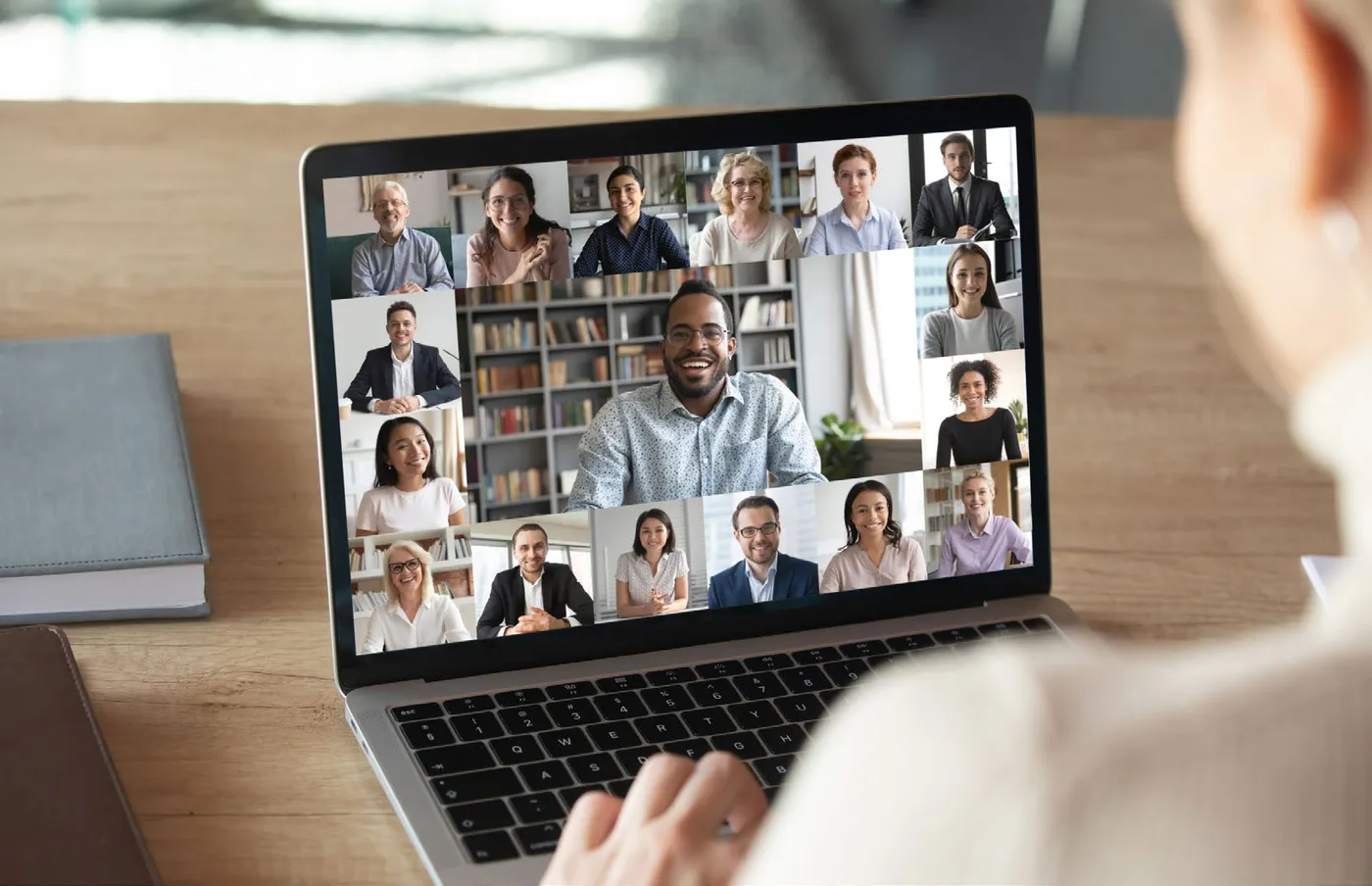
In the post-pandemic era, workers have become accustomed to the flexibility and freedom that remote work allows, and many are also willing to change jobs in order to continue working the way they are now used to.
According to the Wall Street Journal, some employees will not return to work at all. A shortage of workforce is expected in the coming months and the board of directors plays a key role in mitigating this risk for the company.
Companies and administrations, then, prepare the resumption of activities with a hybrid work model. With hybrid work we mean the alternation of remote and face-to-face work. In practice, a mix between work from home and days in the company. There are no predefined templates, but every organization can hire the one that best suits its needs.
Remote working was established in the midst of the pandemic, where many workers found themselves carrying out the functions they took care of in the office, but from their home using different technological devices.
More in Markets
 Markets
Salt instead of scarcity: how CATL’s sodium battery launch redraws the map of the energy transition
 Markets
Quick hits: TikTok saved, sort of, and SpaceX swallows xAI in the largest merger in history
 Markets
Big Tech’s power shift: who owns AI, who owns the future
 Markets
The $3 trillion IPO summer: SpaceX, OpenAI and Anthropic go public