 The Handelot Times
Quick hits: May 2026
Apple is reportedly buying up virtually all available mobile DRAM on the global market at prices roughly double the going rate, in what industry analysts are calling the most aggressive supply chain maneuver in the company’s history.
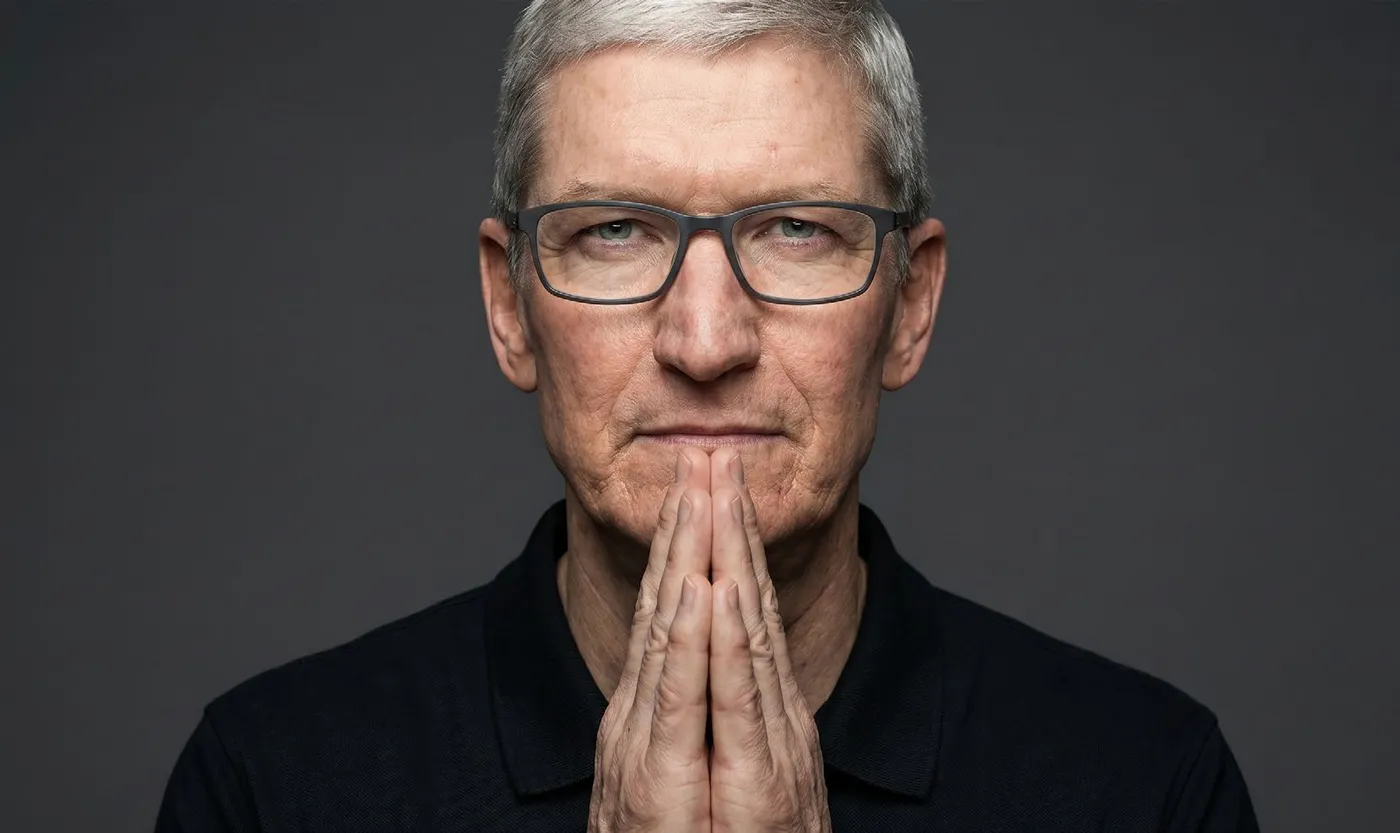
Apple’s dram power play: paying double to starve the competition
Apple is reportedly buying up virtually all available mobile DRAM on the global market at prices roughly double the going rate, in what industry analysts are calling the most aggressive supply chain maneuver in the company’s history. According to South Korean semiconductor sources, Apple paid Samsung a 100 percent premium for LPDDR5X RAM modules, ensuring priority access to memory chips that are in critically short supply worldwide. The strategy is not merely about securing components for the upcoming iPhone 18 and foldable iPhone. It is a deliberate competitive weapon. With Apple absorbing the available supply, rival chipmakers MediaTek and Qualcomm have reportedly been forced to cut production schedules for 4-nanometer processors, reducing output by an estimated 15 to 20 million units. Goldman Sachs projects that the DRAM supply gap will reach 4.9 percent in 2026, with the shortage expected to persist until at least the second half of 2027.
The financial logic is striking. Apple is willing to absorb short-term profit margin losses on memory procurement in order to maintain stable device pricing — including the $599 MacBook Neo — while forcing Android manufacturers to either raise prices or reduce production. It is a move that only a company with Apple’s cash reserves and vertical integration can execute at this scale, and it underscores how supply chain dominance has become as important as product innovation in the smartphone wars.
Apple enters the smart glasses race: four prototypes, one big bet
Apple is testing four different smart glasses designs as it prepares to challenge Meta’s dominant Ray-Ban smart glasses, according to Bloomberg’s Mark Gurman. The prototypes, internally code-named N50, include a large rectangular frame, a slimmer rectangular model similar to those worn by CEO Tim Cook, a larger oval or circular frame, and a smaller oval design. Apple could launch with some or all of these styles, positioning the product as a fashion-forward wearable rather than a single-form gadget. Unlike the Vision Pro, which offered full mixed reality with a $3,499 price tag and limited consumer adoption,
AI bot traffic surges 300 percent, and publishers are paying the price
Global AI bot activity targeting the publishing industry surged by 300 percent in 2025, according to a new report from Akamai, one of the world’s largest content delivery networks. The media industry now ranks second globally in AI bot traffic, absorbing 13 percent of all AI-driven automated requests. Within that traffic, AI training crawlers — bots that scrape content to feed large language models — accounted for 63 percent of all AI bot activity targeting media companies.
More in Markets
 Markets
Salt instead of scarcity: how CATL’s sodium battery launch redraws the map of the energy transition
 Markets
Quick hits: TikTok saved, sort of, and SpaceX swallows xAI in the largest merger in history
 Markets
Big Tech’s power shift: who owns AI, who owns the future
 Markets
The $3 trillion IPO summer: SpaceX, OpenAI and Anthropic go public