 The Handelot Times
Retrogaming is hot! TurboGrafx-16
In June, gamemaker Konami announced a reboot of the vintage TurboGrafx-16 console, originally designed by Hudson and manufactured by NEC Electronics during the late 80s.
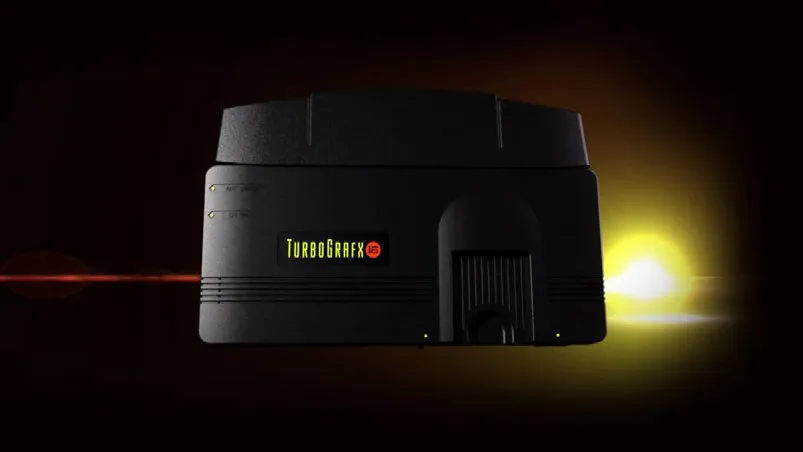
In June, gamemaker Konami announced a reboot of the vintage TurboGrafx-16 console, originally designed by Hudson and manufactured by NEC Electronics during the late 80s. Having bought both companies’ intellectual properties and game libraries, Konami has taken it upon themselves to bring classic gameplay to the masses. Games like R-Type and Dracula X: Rondo of Blood (from the revered Castlevania series) are set to be available for the new TurboGrafx-16, which will be known in Europe as the PC Engine Core Grafx and in Japan as the PC Engine Mini.
The re-release of the TurboGrafx-16 is the latest in a series of classic gaming console comebacks onto the market. It all kicked off early in the 2000s, when the trend of retrogaming spawned the launch of several new consoles that sought to imitate the style of pre-2000s home consoles. The term “console” covers both the plug and play devices such as the Nintendo Entertainment System (NES, also known as Famicom in Japan) and the Sega Genesis, as well as portable handheld systems like Nintendo’s Game Boy and the Atari Lynx.
Starting out, most of them were dedicated consoles, meaning that gameplay was limited to one or more pre-loaded video games (and it should be noted that the Turbo reboot is such a console). Over time, manufacturers started to open up the technology, including SD Card slots that allow users to add additional games, an internet connection that allows users to download games, or even support the cartridges of older video game systems. The recent RetroMini handheld is one such example of this, offering support for NES, Game Boy, and Game Boy Advanced games via Micro-SD cards. If you’re wondering if it makes for an attractive package to consumers, ask all the people who’ve bought one - all versions of the console are completely sold out in RetroMini’s online store.
Moreover, it’s not just the consoles that are back in style, but the accessories. The option to upgrade controllers, power packs, and memory cards were a cultural experience among console-owning kids of the 1980s and 1990s. Retro-Bit (no relation to the aforementioned product) operates an online shop dedicated to selling these accessories in addition to their own manufactured consoles, which can support game cartridges from multiple game manufacturers at once! Why are all of these game consoles being brought back to life?
More in Markets
 Markets
Salt instead of scarcity: how CATL’s sodium battery launch redraws the map of the energy transition
 Markets
Quick hits: TikTok saved, sort of, and SpaceX swallows xAI in the largest merger in history
 Markets
Big Tech’s power shift: who owns AI, who owns the future
 Markets
The $3 trillion IPO summer: SpaceX, OpenAI and Anthropic go public