 The Handelot Times
Satellite-based internet connectivity and low Earth orbit (LEO)
Satellites in low-earth orbit (LEO) are anticipated to be the groundbreaking force transforming the landscape of the Internet.
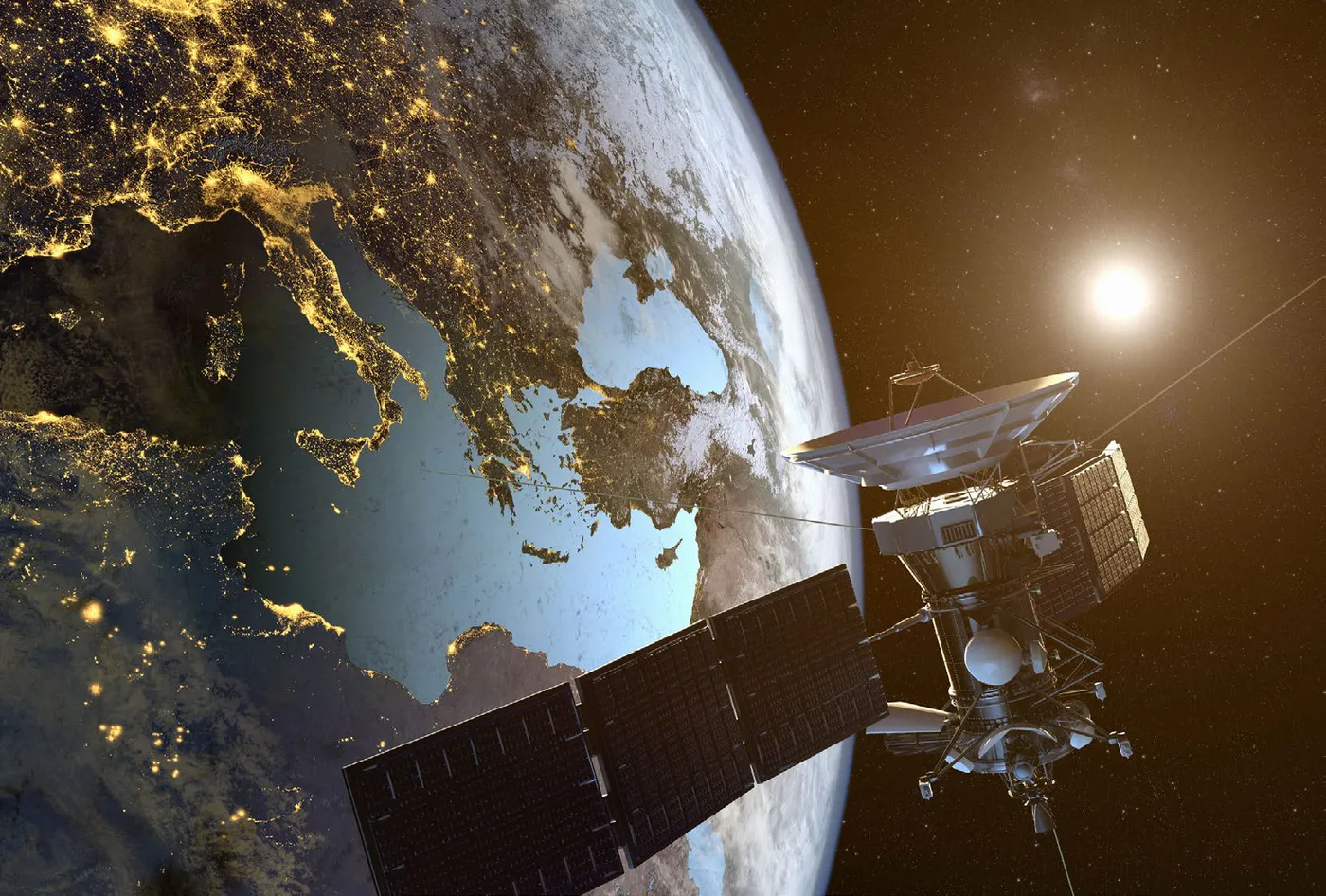
Satellites in low-earth orbit (LEO) are anticipated to be the groundbreaking force transforming the landscape of the Internet. As over one-third of the global population remains without online access, this constellation of satellites holds the potential to link those currently unconnected, thus narrowing the digital gap that disproportionately affects remote and rural communities.
Why do governments and businesses invest in Low Earth Orbit (LEO) satellite technology? The European Union (EU) recently unveiled plans for an LEO satellite network valued at €6 billion. This constellation aims to provide secure communications and improved broadband access to the region while enhancing the cybersecurity and resilience of EU nations.
The EU will allocate €2.4 billion from its budget between 2022 and 2027, with additional funding coming from member states and industry partners. This initiative is part of a broader effort to reduce the EU’s reliance on foreign entities and safeguard crucial communication services and surveillance data from external interference.
The EU is joining a space-based internet race where tech behemoths are investing billions in LEO satellite technology to bridge global connectivity disparities. SpaceX’s Starlink, Elon Musk’s satellite internet venture, has already deployed nearly 2,000 satellites and has sought licenses for over 40,000 more. Their service is currently accessible in select countries on a subscription basis, priced at $99 per month, + a one-time fee of $499 for home equipment. Additionally, Amazon has disclosed intentions for a comparable project named Project Kuiper, with ambitions to deploy more than 3,000 satellites later this year.
More in Markets
 Markets
Salt instead of scarcity: how CATL’s sodium battery launch redraws the map of the energy transition
 Markets
Quick hits: TikTok saved, sort of, and SpaceX swallows xAI in the largest merger in history
 Markets
Big Tech’s power shift: who owns AI, who owns the future
 Markets
The $3 trillion IPO summer: SpaceX, OpenAI and Anthropic go public