 The Handelot Times
Shipping on the blockchain
Can the blockchain do everything? Probably not.
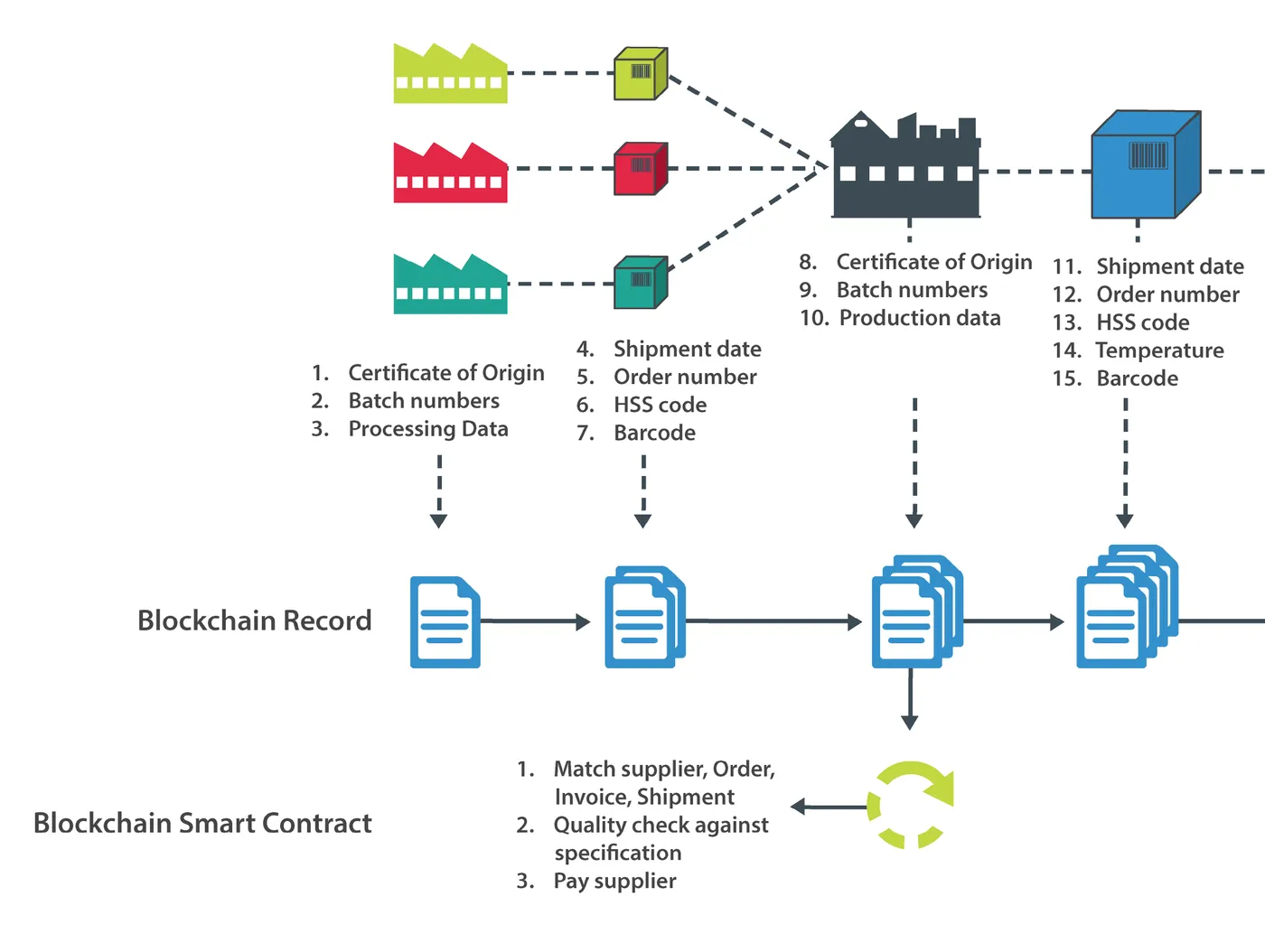
Can the blockchain do everything? Probably not. It’s not conceivable how a blockchain can make your morning breakfast, but with that said it’s capable of things we simply didn’t think about when Bitcoin founder Satori Hatoshi released his white paper on the technology ten years ago. Could it even revolutionize our industry? On multiple levels, the possibility exists. Let’s start with the very process of shipping. For Handelot’s partners who roll heavy in acquisitions and sales, it can be a real pain trying to track down where everything came from and where it’s going. Firms like Provenance are aiming to use blockchain for creating a digital paper trail from origin to warehouse to retail. How?
Knowing that a centralized system cannot ensure of enforce transparency, they’ve invented digital “passports” that prove authenticity and origin while decreasing the chances for fraudulent behavior. Similarly, Skuchain is using blockchain to create a zero-knowledge collaborative platform to safely and securely share data that often gets lost in cross-border transactions With regards to the shipping itself, so many factors can hang up cargo from reaching its destination: damage en route, congested ports, and inclement weather on the high seas are all factors in moving goods.
The shipping giant Maersk is working to better provide marine insurance, one of the historically least efficient insurances, and make it easier to track and manage on the go. Having tested a blockchain concept with Microsoft, Maersk seeks to enable various parties to settle upon the terms of premiums in a manner designed to reduce time and cost, not to mention the tedium and friction that often accompanies insurance claims. Agreements between sellers and buyers have something to gain from blockchain as well. The mere act of composing and signing legal documents can be made easier, and UK-based firm Selachii is showing us how.
Using blockchain, smart-contracts are created that cannot be lost or altered without all concerned parties being able to track the changes. Disputes are nullified because the proceedings are transparent. Fraud is reduced because owed money is not paid out (the automated mechanism for which also uses blockchain technology) until contracts meet a pre-agreed upon set of requirements and, because paper is not involved and associate fees are not a factor, costs are reduced.
More in Markets
 Markets
Salt instead of scarcity: how CATL’s sodium battery launch redraws the map of the energy transition
 Markets
Quick hits: TikTok saved, sort of, and SpaceX swallows xAI in the largest merger in history
 Markets
Big Tech’s power shift: who owns AI, who owns the future
 Markets
The $3 trillion IPO summer: SpaceX, OpenAI and Anthropic go public