 The Handelot Times
Stay safe out there: the CE mark
It’s a designation you’ve likely seen everywhere without thinking about it. Established in 1985, the titular ‘CE’ is a French term that stands for conformité européenne (English: European conformity).
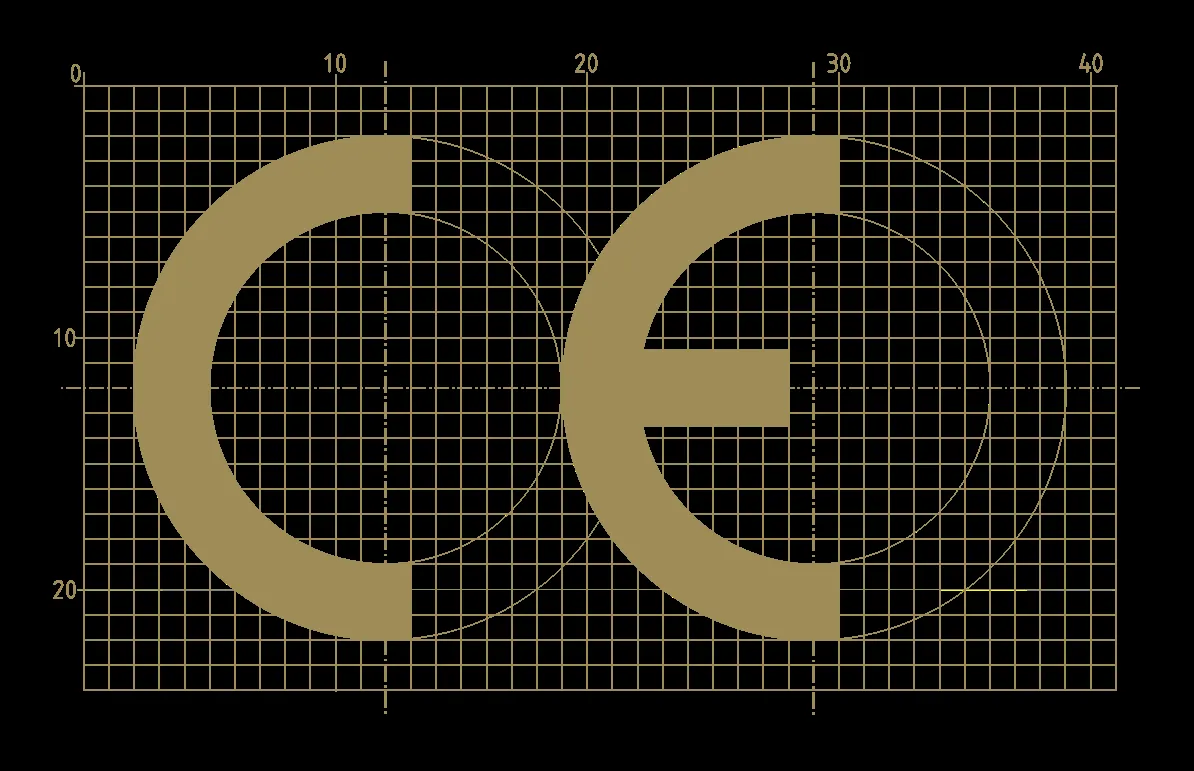
What is the european CE mark?
It’s a designation you’ve likely seen everywhere without thinking about it. Established in 1985, the titular ‘CE’ is a French term that stands for conformité européenne (English: European conformity). It is a mark that is placed on all manner of products from electronics to toys to vehicles and even explosives. Products bearing the CE mark are certified by the manufacturer to have met any and all applicable directives related to its production, and this burden of proof is on the manufacturer. From a design standpoint, regulations call for the mark to consist of the letters ‘C’ and ‘E’ in a rounded manner derived from a circle. The letter are spaced in such a way that the extended circles do not overlap, and may not have a height of less than 5 mm.
What is the chinese CE mark?
It goes without saying that China is one of the world’s leading exporters of goods. For them, the CE is simply the “made in China” stamp in a stylized manner. It is similar to the European CE logo except that it does not respect the design standards of said logo; the common letters that comprise the logo are squeezed closer together. And they be found on just about every product that has come out of China, from household items to foodstuffs to, yes, electronics. Including many that are circulating throughout the EU currently. Does It Make A Difference?
Is this alarming? Goodness, yes! The two marks have been plastered on products for over a decade now, and while it likely isn’t an intentional ploy by Chinese authorities to more easily get goods into Europe, any trader or seller without a keen eye could possibly mistake the mark of origin for the mark of quality, falsely assuring their customers (and themselves) of quality that simply isn’t guaranteed.
The manufacturer (when in the EU) or importer (when outside) bears the responsibility of making sure a product complies with directives to get the European CE marking, and marked products come with a certificate of compliance from the EU —.the Declaration of Conformity (DoC). It is important to note that previous compliance does not ensure future compliance; EVERY product must be inspected to receive the mark and the certificate. Chinese suppliers have been known to issue fake DoCs that supposedly come from the EU and claim compliance while not doing anything to ensure it (sometimes being copy/paste jobs from other directives in its kind. With respect to the mark itself, it should be permanently emblazoned on the packaging rather than a sticker.
More in Markets
 Markets
Salt instead of scarcity: how CATL’s sodium battery launch redraws the map of the energy transition
 Markets
Quick hits: TikTok saved, sort of, and SpaceX swallows xAI in the largest merger in history
 Markets
Big Tech’s power shift: who owns AI, who owns the future
 Markets
The $3 trillion IPO summer: SpaceX, OpenAI and Anthropic go public