 The Handelot Times
Sum up for 2022 investments and new challenges
In its July meeting, the FOMC raised the Fed Funds Rate by 75 basis points, bringing the range to 2.25% -2.5%.
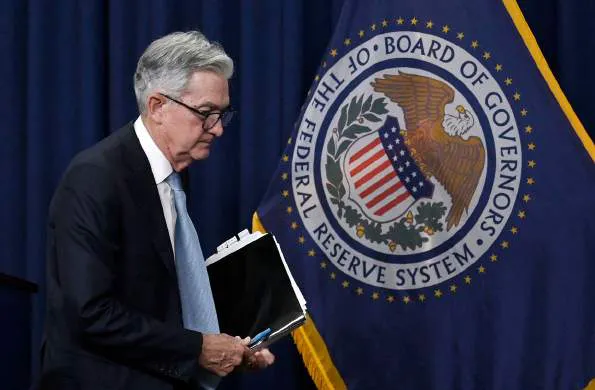
In its July meeting, the FOMC raised the Fed Funds Rate by 75 basis points, bringing the range to 2.25% -2.5%. This means that the most important interest rate for the global economy has increased fivefold in just three months. This has had a very negative impact on both global government bonds (with higher yields and falling prices) and risky assets such as stock prices.
In Europe, the ECB raised all of its major interest rates by 50 basis points, ending eight years of negative rates. The Bank of England also surprised the market by raising rates more than expected. The era of zero or even negative interest rates is over. A definitive regime change has occurred, which has brought us into a new era. That said, more seasoned investors may see a return to more normal times in this situation, similar to the period before the 2008 global financial crisis. However, this is yet to be seen. The most appropriate comparison might be the stagflation phase (a period of persistently high inflation combined with high unemployment and stagnant demand) experienced in the late 1970s and early 1980s.
The new interest rate regime implies that we now expect the US, UK and Eurozone economies to go into recession (defined as two consecutive quarters of decline in economic output) over the next year 2023. All three of these markets will experience a significant drop in production and the outlook for the global economy is bleak.
Inflation is now a major concern for households in relation to their financial situation. Politicians are finding they are not immune from blame, as voters, who have become accustomed to public aid during difficult times in recent years, now expect new support. With central banks trying to tame high inflation, monetary policy is limited, leaving it to governments to alleviate the pain of the inflation spiral where possible.
More in Markets
 Markets
Salt instead of scarcity: how CATL’s sodium battery launch redraws the map of the energy transition
 Markets
Quick hits: TikTok saved, sort of, and SpaceX swallows xAI in the largest merger in history
 Markets
Big Tech’s power shift: who owns AI, who owns the future
 Markets
The $3 trillion IPO summer: SpaceX, OpenAI and Anthropic go public