 The Handelot Times
Tech outlook: consumer innovations poised to shape the future after the us election
The realm of consumer technology encompasses all the gadgets and devices that aim to make our lives easier, more efficient, or simply more enjoyable.
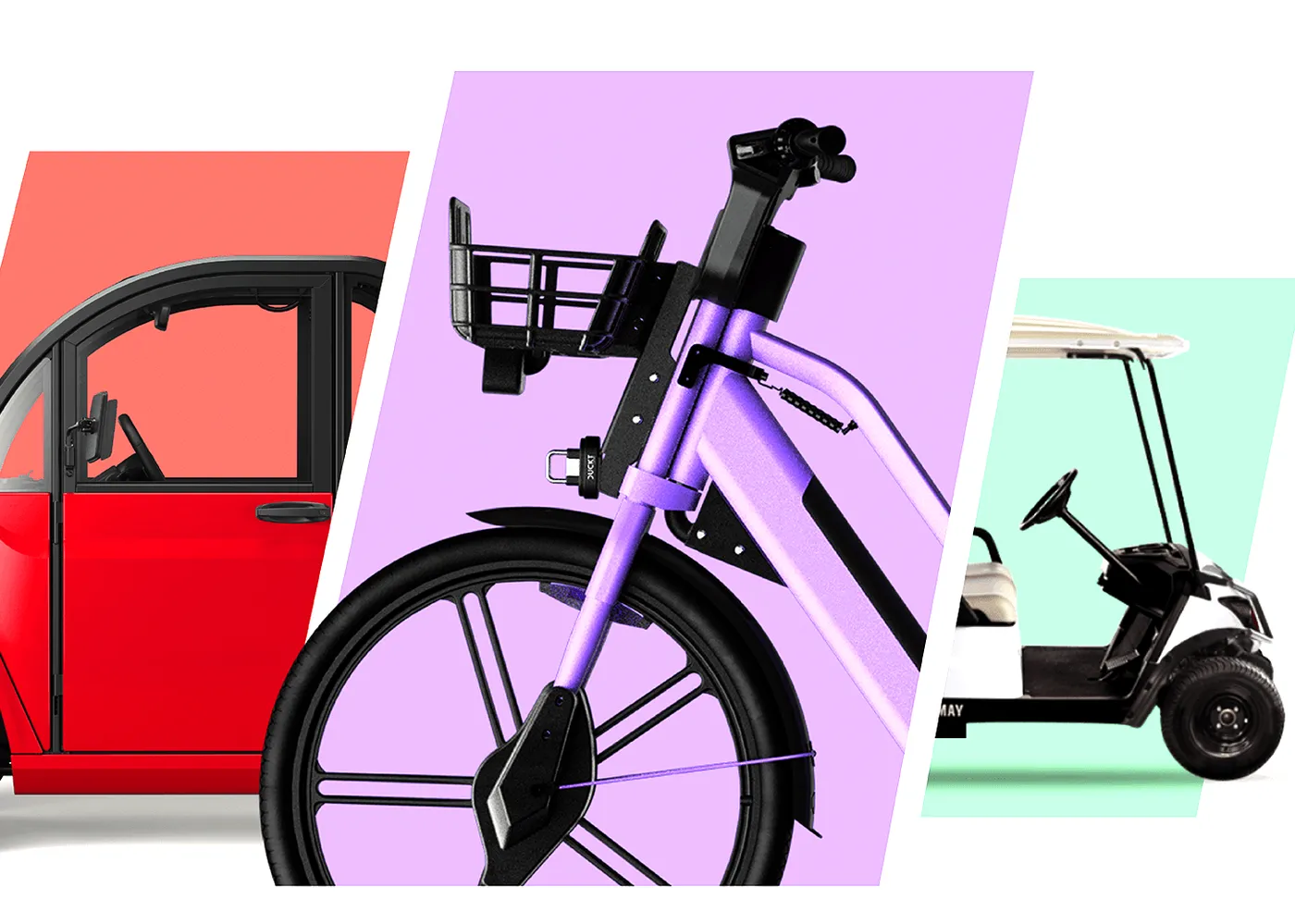
From home appliances to personal health devices, fitness trackers, and smart home systems, this diverse sector is constantly evolving. Understanding these shifts is vital for manufacturers and businesses aiming to meet the expectations of today’s tech-savvy consumers and employees. In the face of ongoing economic challenges, tech companies are increasingly aware that merely offering good products isn’t enough. The demand for true innovation has never been higher, as both consumers and enterprises expect technology that brings real, tangible benefits.
The lines between consumer gadgets and enterprise tools are blurring, as workplace technology begins to reflect the convenience and customization of personal tech. Looking ahead to 2025, artificial intelligence (AI) will emerge as the catalyst for change, driving a wave of smarter devices and more efficient solutions. This transformation will influence everything from product development to workplace software and customer service systems. What does this mean for the future of consumer tech? Let’s take a closer look at the trends expected to dominate the market over the next year, and how they could reshape both our buying behaviors and the tools that businesses rely on.
1. Tailored tech experiences for users
In 2025, manufacturers will increasingly focus on crafting technology that feels personal and intuitive. AI will be at the heart of this shift, making everyday devices—from smart homes to wearable gadgets and even toys—more capable of adapting to our individual needs. The move from simple convenience to true personalization will be evident in technologies that predict user behavior and offer a tailored experience. Imagine smart devices that adjust to your routine automatically or smartphones that act as intelligent assistants, handling everything from scheduling to managing health.
2. Next-gen conversational AI and smart assistants
The interaction with digital assistants is set to undergo a major upgrade. Forget the rigid, scripted exchanges we’re used to with Alexa or Siri. By 2025, improvements in natural language processing (NLP) and large language models (LLMs), like those seen in ChatGPT, will allow for more fluid and engaging conversations. Devices will become conversational companions, with voice commands replacing touchscreens as the dominant method for interacting with everything from kitchen appliances to vehicles.
More in Markets
 Markets
Salt instead of scarcity: how CATL’s sodium battery launch redraws the map of the energy transition
 Markets
Quick hits: TikTok saved, sort of, and SpaceX swallows xAI in the largest merger in history
 Markets
Big Tech’s power shift: who owns AI, who owns the future
 Markets
The $3 trillion IPO summer: SpaceX, OpenAI and Anthropic go public