 The Handelot Times
The Old Hand: change
The first real effects of what I term the “Gold Rush” originated from the early Motorola 8000 series, which was born in 1983.
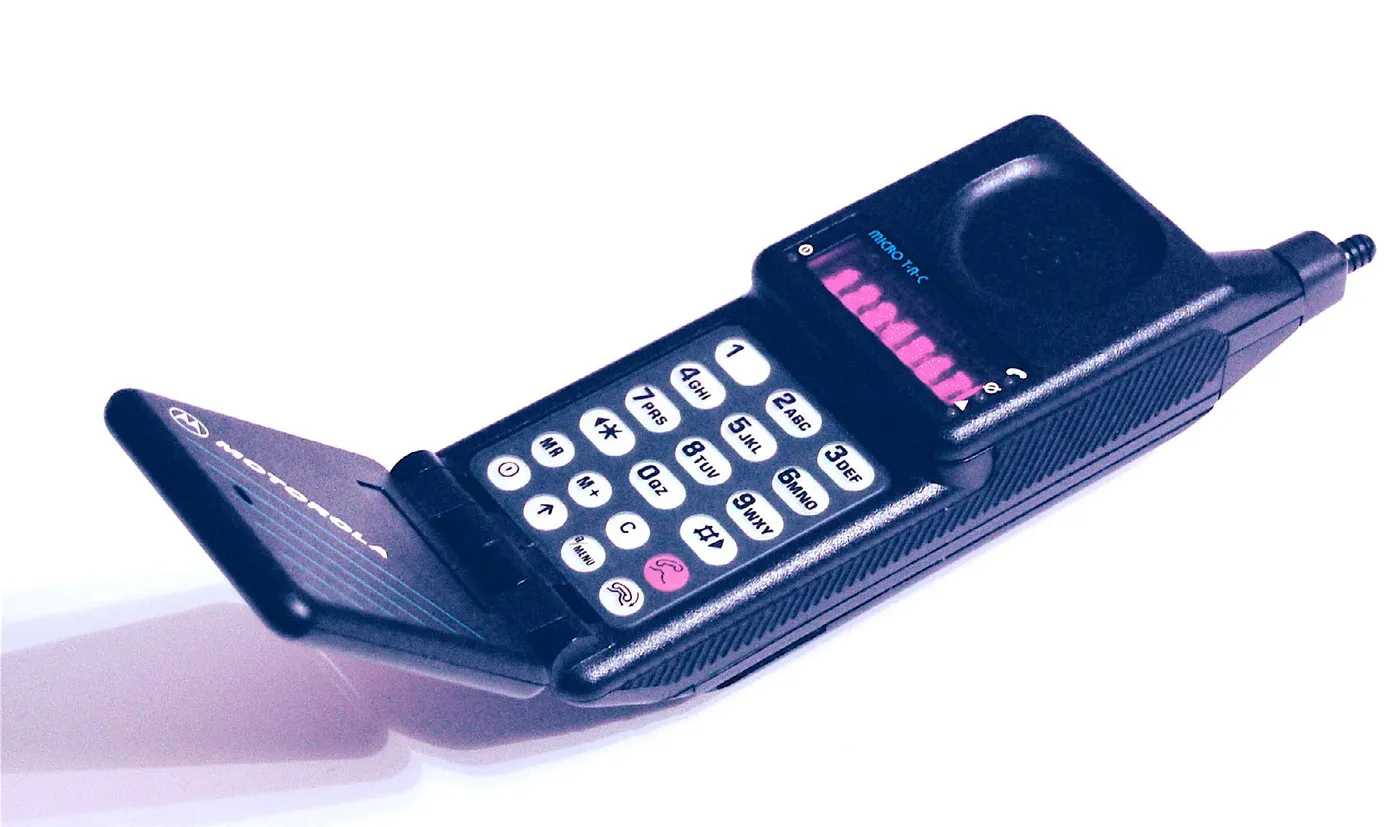
The first real effects of what I term the “Gold Rush” originated from the early Motorola 8000 series, which was born in 1983. It wasn’t until around 1989, with the introduction of the MicroTAC 9800X, that we saw such a breakthrough in the Gold Rush. With an original price tag in excess of $2,500, the MicroTAC 9800X could exceed twice that when exported to China. These were the early days when the parallel phone trading business caught fire and became what it is today.
We have seen the switch from analogue to digital and the handheld phone to a user-friendly handheld computer (or smartphone). One of the earliest handheld phones in production was the Nokia 9000 Communicator series. The 9000 was one of the first ever smartphones, although back in the day it wasn’t called as such. It was referred to as a PDA: Personal Digital Assistant.
With the desires and demand from consumers, accompanied by the incompetency and the arrogance of the manufacturers we have flipped from one brand to another, from Motorola to Nokia, from Nokia to Blackberry, from Blackberry to Apple and from Apple to Samsung. With each and every turn we have always followed the dollar, to profit at each and every turn we could whilst we rode the market along with its growth and its trends.
During this journey we have all bought and sold for profit these feature phones and smartphones. Well, that’s the general idea, although I am sure that we didn’t always make a profit. So long as we won more times than we lost, we could carry on trading. Why wouldn’t we? The rewards were great, the business was growing and we had dynamics that didn’t exist within any other trading business on the planet.
More in Markets
 Markets
Salt instead of scarcity: how CATL’s sodium battery launch redraws the map of the energy transition
 Markets
Quick hits: TikTok saved, sort of, and SpaceX swallows xAI in the largest merger in history
 Markets
Big Tech’s power shift: who owns AI, who owns the future
 Markets
The $3 trillion IPO summer: SpaceX, OpenAI and Anthropic go public