 The Handelot Times
Video games, virtual reality and medicine: innovative combinations
How VR video games explore the symptoms and frustration of neurological diseases? In this articles we want to tell the story of Mary and how the use of video gaming helped her and so many others struggling with dementia.
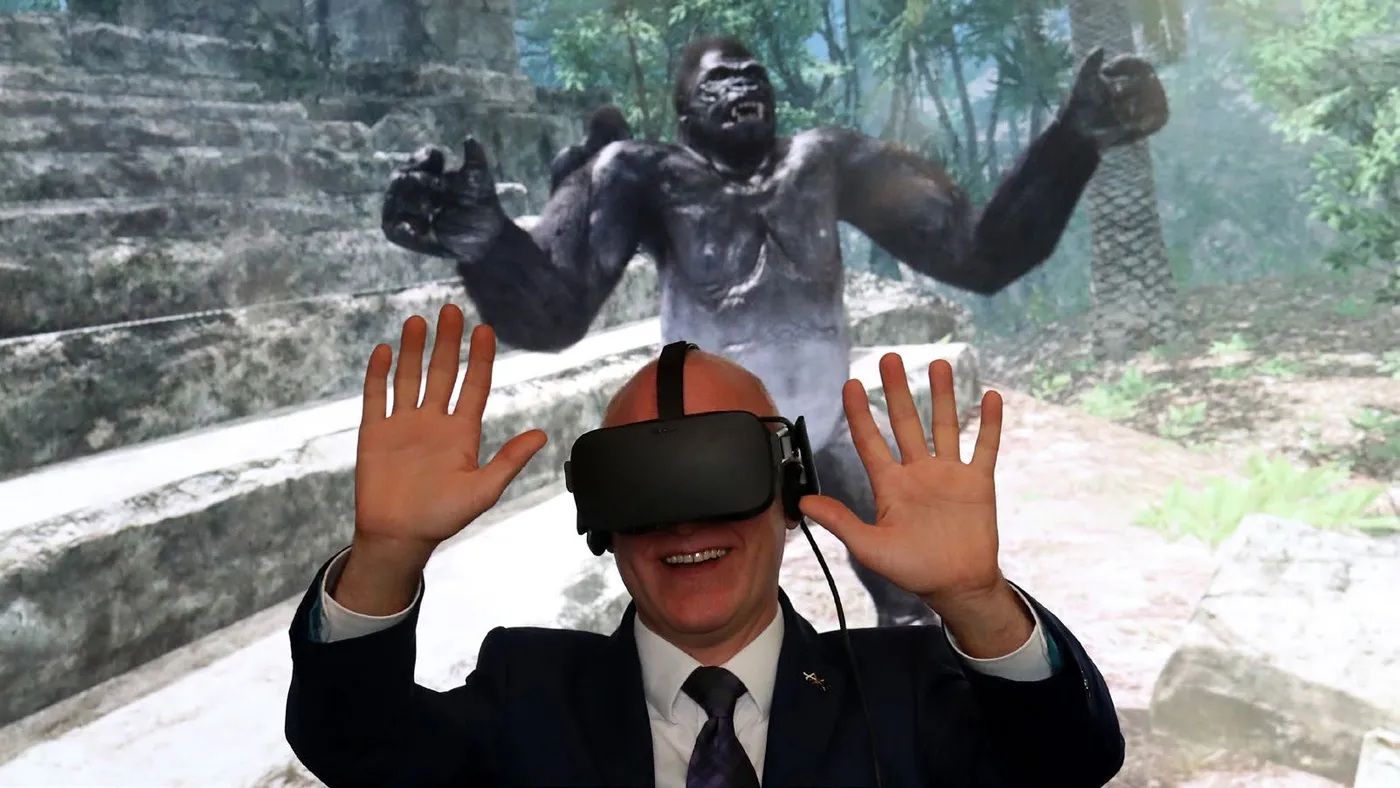
How VR video games explore the symptoms and frustration of neurological diseases? In this articles we want to tell the story of Mary and how the use of video gaming helped her and so many others struggling with dementia.
Video games and related technology, like this experience for VR, are used worldwide as a supplement to treatments (or to better understand) neurological disorders. Neurological diseases involve the brain, spinal cord and nerves, resulting in a wide range of physical, cognitive and emotional symptoms. If you ever talked to people involved in applying video game technology to neurological disorders, you can recall that they all have had a fascinating story to tell.
ImmersiCare
Mary is suffering from dementia and lives in Belmont View, a nursing home in Hertfordshire. Distressed and disoriented, it is carefully conducted by a healthcare professional in a comfortable chair. Once placed (although still visibly shaken), a virtual reality viewer is placed on the head.
‘Ooh, look there’, she immediately says with wonder. Mary is sitting on a virtual diorama of a seaside resort. The effect on his mood is exceptional: in a short time, she starts singing.
More in Markets
 Markets
Salt instead of scarcity: how CATL’s sodium battery launch redraws the map of the energy transition
 Markets
Quick hits: TikTok saved, sort of, and SpaceX swallows xAI in the largest merger in history
 Markets
Big Tech’s power shift: who owns AI, who owns the future
 Markets
The $3 trillion IPO summer: SpaceX, OpenAI and Anthropic go public