 The Handelot Times
War and international business from political science’s view
The 2022 Russian invasion of Ukraine not only sent shockwaves through the global economy but also raised questions about the role of businesses in conflict zones.
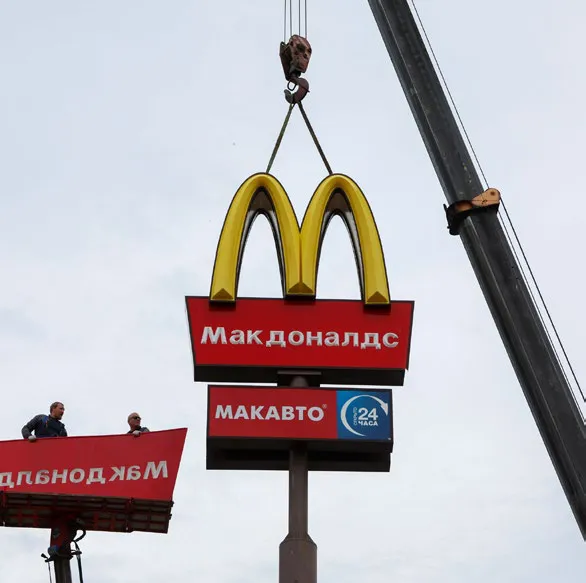
The 2022 Russian invasion of Ukraine not only sent shockwaves through the global economy but also raised questions about the role of businesses in conflict zones.
Some multinational corporations, like McDonald’s and Lufthansa, chose to exit the Russian market, while others, such as Subway and Emirates, continued their operations. However, these decisions appeared more driven by consumer activism and stakeholder pressure than by strategic considerations.
In this context, businesses are facing increased scrutiny, operational risks, and potential economic opportunities. Their choices are influenced by a combination of stakeholder pressure, operational risks, and personal convictions. Firms are increasingly interested in curbing violence that could adversely affect their operations. Research indicates that companies can play a role in peacebuilding, especially when a minimum level of peace and rule of law exists.
Unfortunately, many business decisions are made without a deep understanding of the root causes of conflicts. As a result, well-intentioned actions by companies, such as exiting conflict zones or voicing dissent, can inadvertently escalate violence.
More in Markets
 Markets
Salt instead of scarcity: how CATL’s sodium battery launch redraws the map of the energy transition
 Markets
Quick hits: TikTok saved, sort of, and SpaceX swallows xAI in the largest merger in history
 Markets
Big Tech’s power shift: who owns AI, who owns the future
 Markets
The $3 trillion IPO summer: SpaceX, OpenAI and Anthropic go public