 The Handelot Times
Your rooftop solar panels could be the next target for cybercriminals
Could Be the Next Target for Cybercriminals For years, rooftop solar panels have been a symbol of progress—an emblem of the shift toward cleaner, more sustainable energy.
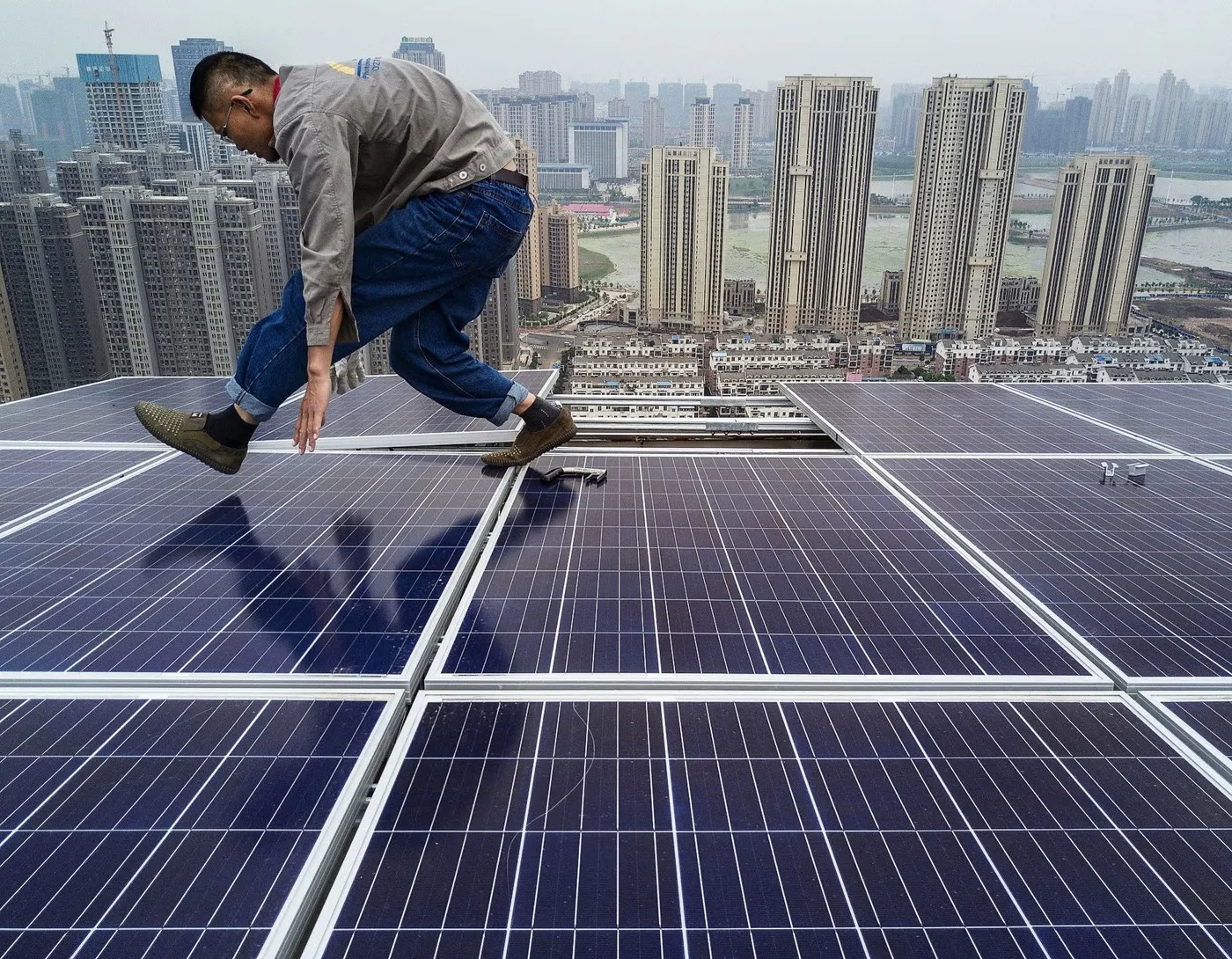
The issue is no longer theoretical. Cybersecurity experts have already identified multiple vulnerabilities in the hardware and software used to operate solar systems. In some cases, these flaws could allow hackers to remotely interfere with the inverters that convert solar energy into electricity, shutting down production or even destabilizing the grid. In a worst-case scenario, coordinated attacks on thousands of installations could have cascading effects, triggering blackouts and disrupting energy markets.
A new kind of infrastructure risk
Traditional power grids were designed as centralized systems, with electricity flowing from large plants to consumers in a one-way stream. Today’s energy landscape is vastly different. Rooftop panels, home batteries, and smart meters have transformed the grid into a complex, decentralized network. Each solar installation, whether on a suburban home or a commercial building, is a small node in that network—capable of sending power back to the grid, but also of being hijacked if not properly secured.
This decentralization brings clear benefits—resilience against single-point failures, greater efficiency, and reduced carbon emissions.
Yet it also means the potential attack surface has expanded exponentially:
More in Markets
 Markets
Salt instead of scarcity: how CATL’s sodium battery launch redraws the map of the energy transition
 Markets
Quick hits: TikTok saved, sort of, and SpaceX swallows xAI in the largest merger in history
 Markets
Big Tech’s power shift: who owns AI, who owns the future
 Markets
The $3 trillion IPO summer: SpaceX, OpenAI and Anthropic go public