 The Handelot Times
ZTE: caught in the middle
Chinese tech firms find their futures on the line in today’s global market.
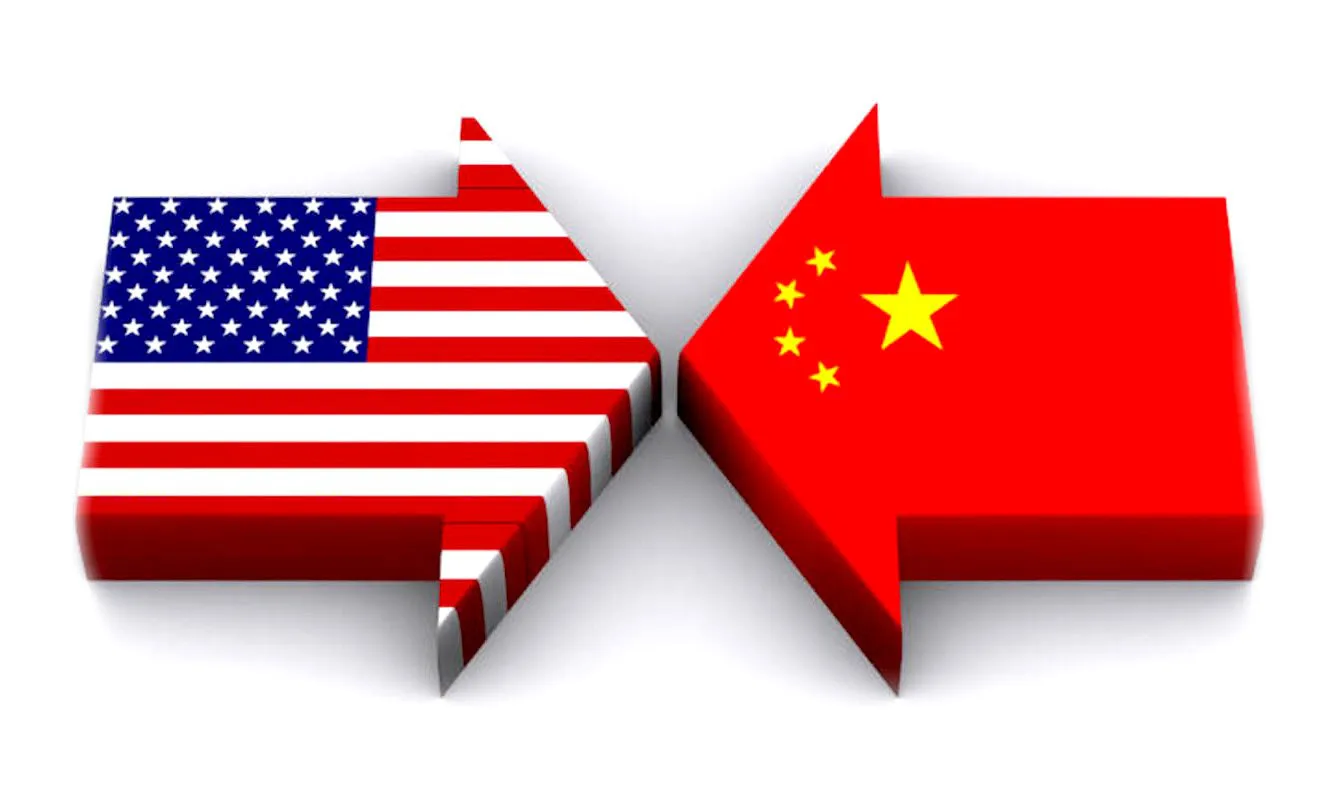
Chinese tech firms find their futures on the line in today’s global market.
The United States and China are in a good old-fashioned trade war with each other in the year 2018. As the US is seeking to recover from alleged intellectual property theft and unfair trading practices, the White House is leveraging tariffs against all manner of imported Chinese goods. The trade war is stoking fears of the other side, making Americans generally reluctant to engage with the other side through both consumption and business. Most of all, it is having a disastrous impact on the mobile industry, and the fallout for one firm has been particularly devastating. Chinese mobile device manufacturer ZTE was recently forced out of business, shuttering global operations after targeted sanctions were put in place stopping American firms from doing business with them. As ZTE was being denied components to manufacture their phones such as Qualcomm chipsets and open-source Android software, the only alternative left was to disappear.
The ban is rooted in ZTE’s guilty admission that they had sold American mobile technology to Iran and North Korea, two states with which the US has historically had tense and cold relations. Although the mobile manufacturer fessed up, agreeing to reprimand executives and pay a hefty fine of USD $890 million, the US continued to accuse them of deception and not following through on their agreed punishment. The trading ban swiftly came down on April 15, and ZTE announced its shut down of operations in early May. It appears that all is not lost, however. In early July, TechCrunch reported that the US Department of Commerce announced it had reached a deal with ZTE to lift the ban. So long as a deposit in excess of USD $400 million is made, a new security monitor is brought on board, and a further USD $400 million transfer is arranged, ZTE will be allowed to get its technology from the US once again. The deal also required a complete turnover of the firm’s executive board, which as of the time of printing had been completed.
The story of ZTE’s trials and tribulations has a happy ending, or at least a happy pause. The trade ban has been one of the most pointed and ferocious ever levied by the US government. Even though it has been lifted, it is by no means the end of the potential troubles for Chinese mobile firms. Ars Technica reports that Huawei has had trouble locking down mobile carrier deals with American providers due to deep suspicions about their devices being used to spy on US citizens, leading to an unofficial blacklist of Huawei products from being sold there. What’s more, the current presidential administration has blocked multiple deals for Chinese companies to by American semiconductor manufacturers. These pieces of news do not bode well for the future. As Xiaomi attempts its inroads into the American market, they too will likely be met with resistance and reluctance, despite having a clean record and are every bit as ambitious and dynamic as an American firm. The current trade climate ensures that, sadly, like will not recognize like.
More in Markets
 Markets
Salt instead of scarcity: how CATL’s sodium battery launch redraws the map of the energy transition
 Markets
Quick hits: TikTok saved, sort of, and SpaceX swallows xAI in the largest merger in history
 Markets
Big Tech’s power shift: who owns AI, who owns the future
 Markets
The $3 trillion IPO summer: SpaceX, OpenAI and Anthropic go public